
When the UK government released its 2024 Digital Economy Report, it highlighted that mobile gaming now accounts for 23% of all digital leisure spend—up from 15% just two years ago. That jump isn’t just a number; it means that more households than ever are choosing a phone‑based adventure over a night out or a streaming binge.
The Shift From Screen Time to Screen Engagement
In the past decade, the average UK adult spent roughly 3 hours a day on streaming services. Today, that figure has slipped to 2.7 hours, while mobile gaming time has crept up to 1.4 hours. The difference isn’t marginal. It signals that people are trading passive viewing for interactive play, which, in turn, changes how we allocate leisure budgets. A recent survey by the UK Games Association found that 38% of respondents said they would pay for a premium mobile game subscription instead of a cinema ticket.
One concrete example is the rise of “battle‑royale” titles on iOS and Android. Games like Clash Royale and PUBG Mobile have built ecosystems where in‑app purchases, season passes, and live events generate revenue streams that rival traditional sports sponsorship deals. In 2023, the UK mobile gaming market alone pulled in £1.2 billion, a 12% increase over 2022.
However, the surge isn’t without cost. Smaller developers often struggle to compete with the marketing budgets of giants, leading to a homogenised catalogue dominated by a handful of franchises. For indie creators, the barrier to entry remains high, with average app store fees hovering at 30% of sales.
If you’re curious about how online casino gaming parallels mobile trends, Patrick Spins provides a modern platform that blends chance with strategy.
Economic Ripples: Jobs, Tax, and Innovation
The industry’s expansion has already created over 4,000 full‑time jobs in the UK’s digital sector. These roles range from game designers to data scientists who analyse player behaviour to fine‑tune monetisation models. Moreover, the tax contribution from mobile game publishers has climbed to £150 million in 2023, a 9% rise from the previous year.
Innovation is another byproduct. The push for lighter, battery‑efficient games has spurred advancements in graphics compression and AI‑driven content generation. Some studios now use procedural generation to create expansive worlds on a phone, reducing development time by up to 30%. This technological spillover is already influencing other sectors, such as virtual reality training modules for the NHS.
Yet, the growth curve is not infinite. Market saturation means that only the top 10% of titles see sustained revenue, leaving many promising projects in limbo. Players also face “pay‑to‑win” mechanics that can erode trust and lead to regulatory scrutiny.
Social Connectivity and Cultural Impact
Mobile games have become a social glue. Multiplayer titles now host community events where players from across the UK collaborate to achieve shared goals. For instance, the 2024 launch of Fantasy Football Mobile saw over 2 million concurrent users during its first weekend, creating a nationwide conversation on social media platforms.
These communities often spill over into real life. Local gaming meet‑ups, cosplay events, and esports tournaments have sprung up in cities like Manchester and Brighton, drawing participants who previously never considered themselves gamers. The cultural footprint is evident in university curricula, where game design courses now attract more students than traditional media studies.
Still, the social aspect can be a double‑edge sword. The same platforms that enable friendly competition can also foster toxic behaviour. Moderation teams must navigate a fine line between enforcing rules and preserving the spontaneity that makes mobile gaming appealing.
From Phone to Table: Bridging Digital and Physical Entertainment
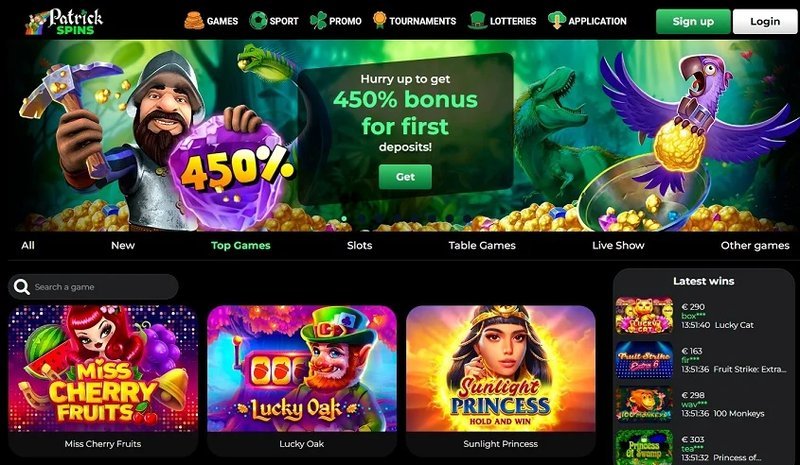
As mobile gaming reshapes leisure habits, many are turning their attention to other digital entertainment avenues. For those curious about how online gaming can complement their mobile experience, Patrick Spins offers a curated selection of casino games that blend skill and luck in a user‑friendly interface.
Looking Ahead: What’s Next for Mobile Gaming?
Predictors point to augmented reality (AR) as the next frontier. Early adopters are already testing AR puzzles that overlay game elements onto real‑world environments, a trend that could see mainstream adoption by 2026. Additionally, regulatory bodies are tightening rules around data privacy, pushing developers to adopt transparent data practices.
In the end, mobile games are no longer a niche pastime; they’re a mainstream force that reshapes how the UK spends its leisure time, how businesses generate revenue, and how communities connect. The challenge will be to balance growth with inclusivity, ensuring that the next wave of innovation benefits everyone, not just the biggest players.